Accessibility Tools

What We Do

Four programs. One mission: making water conservation work in the real world.
 Explore Our Programs

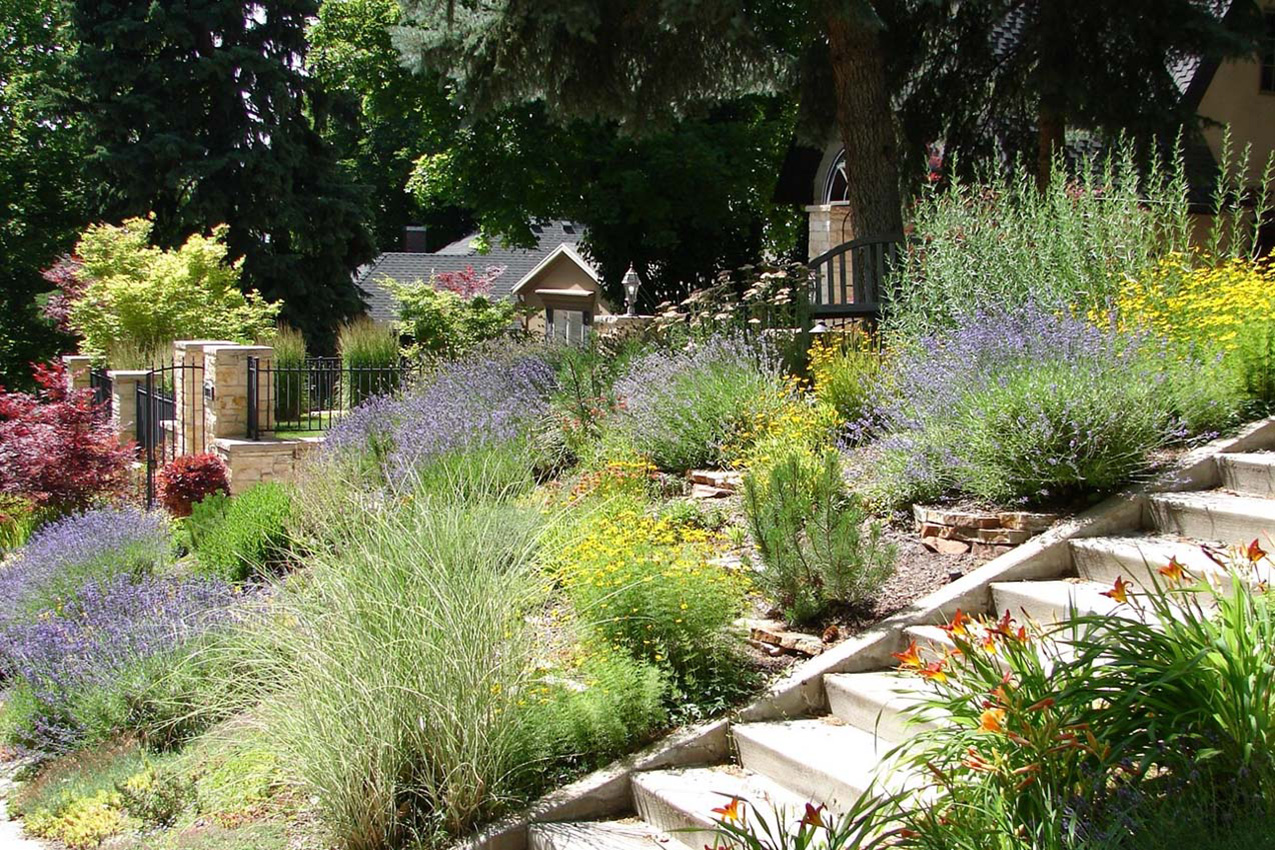
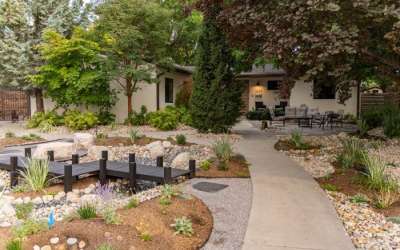
See water-smart landscaping in action across Utah. Our demonstration sites show what's possible: beautiful, low-maintenance, and built for the climate we actually live in.
SEEd-aligned K–12 curriculum built with Utah educators, equipping students to understand where water comes from and why their choices matter.

Utah's most recognized water conservation campaign connects homeowners with free irrigation assessments, expert advice, and tools to use water wisely — without sacrificing a yard worth living in.
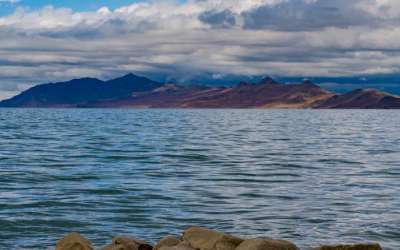
Our data is the foundation. Tracking landscape transitions, water use trends, and program outcomes so conservation efforts are grounded in what actually works.

Static overlay
By the
Numbers
0%
of Utah's residential water is used outdoors, not indoors
0K+
gallons saved per year by switching to a water-wise landscape
0%
of Utahns are concerned about the state's water future
0.5K+
gallons saved by skipping just one outdoor watering day

Setting the Record Straight

What most Utahns believe about water and what the data actually shows. 

Myth

Fact

"Most of my water use happens indoors."

Outdoor landscapes account for 60% of residential water use in Utah — more than all indoor use combined. 

"Drought is a summer problem."

95% of Utah's water comes from snowpack. Winter precipitation determines how much water we have all year.

"My yard changes won't make a real difference."

Skipping one watering day saves 2,500+ gallons. A water-wise landscape saves over 50,000 gallons per year.

"Residential use doesn't really affect the Great Salt Lake."

Residential water accounts for 1 in 6 gallons of the Great Salt Lake's decline. What happens in your yard reaches the lake.

"Kentucky bluegrass is fine for Utah."

Bluegrass needs 24–30 inches of water per growing season. Utah's Wasatch Front gets 15–20 inches annually. You're making up the difference.

Get the fact bg-light p-4s [BUTTON]

Glossary

There are 16 entries in this glossary.
Search for glossary terms (regular expression allowed)

Glossaries

Term Definition
Acre-foot (AF)

325,851 gallons, or the amount of water it takes to cover one acre of land in a foot of water.

Author - Troy
Beneficial use

Any water use that benefits communities in an environmental or social way.

Author - Troy
Culinary water

Or also called potable water, is water that has been treated to drinking water standards.

Author - Troy
Depleted water

Water that is used and not returned to a natural drainage system.

Author - Troy
Diverted water

Water that is diverted from a natural drainage system for various uses.

Author - Troy
Flow rate

The measurement for how fast water is flowing. Usually measured in cfs (cubic feet per second) or gpd (gallons per day).

Author - Troy
Gray water

Water after it has been used for laundry, showers, washing dishes, etc.

Author - Troy
Irrigation season

April 1 – October 1.

Author - Troy
Municipal and Industrial (M&I) water

Treated water used in cities and industrial applications.

Author - Troy
Per capita use

Measurement of water used per person, calculated as the sum of all M&I water used divided by the total area population. Reported as gallons per capital per day (GPCD).

Author - Troy
Return flow

Water returned to the natural drainage after being used, like storm water, treated gray water, etc.

Author - Troy
Hits - 1
Secondary water

Untreated water that is used on property and landscapes.

Author - Troy
Water right

The purchase of a right to use a specified amount of water from a specific source. Water rights must be put to beneficial use or risk forfeiture.

Author - Troy
Water share

Water shares are not the same as water rights. They are the amount of water in a “stock” that someone has purchased and is allowed to use.

Author - Troy
Water year

October 1 – September 30.

Author - Troy

Connect with Us